A study of the season's most complete garment

MaxiDressi
Woman in a flowing terracotta maxi dress walking a beach boardwalk at golden hour

One Dress. An Entire Outfit. No Further Decisions.

Join the atelier list

The maxi dress is the closest thing fashion has to a complete sentence: one garment, floor-adjacent, and the outfit is finished — no trouser hemming, no top-and-bottom negotiations, no 11 a.m. regret. Which is why it's the most forgiving thing in the wardrobe and the most misunderstood thing in the fitting room.

Misunderstood, because 'maxi' names a length, not a shape — and the wrap, the slip, the tiered, and the shirt-dress are four different garments that flatter four different days. This lookbook shows them moving on real bodies, then gives you the fitting logic to know which one your wardrobe is actually missing.

The lookbook

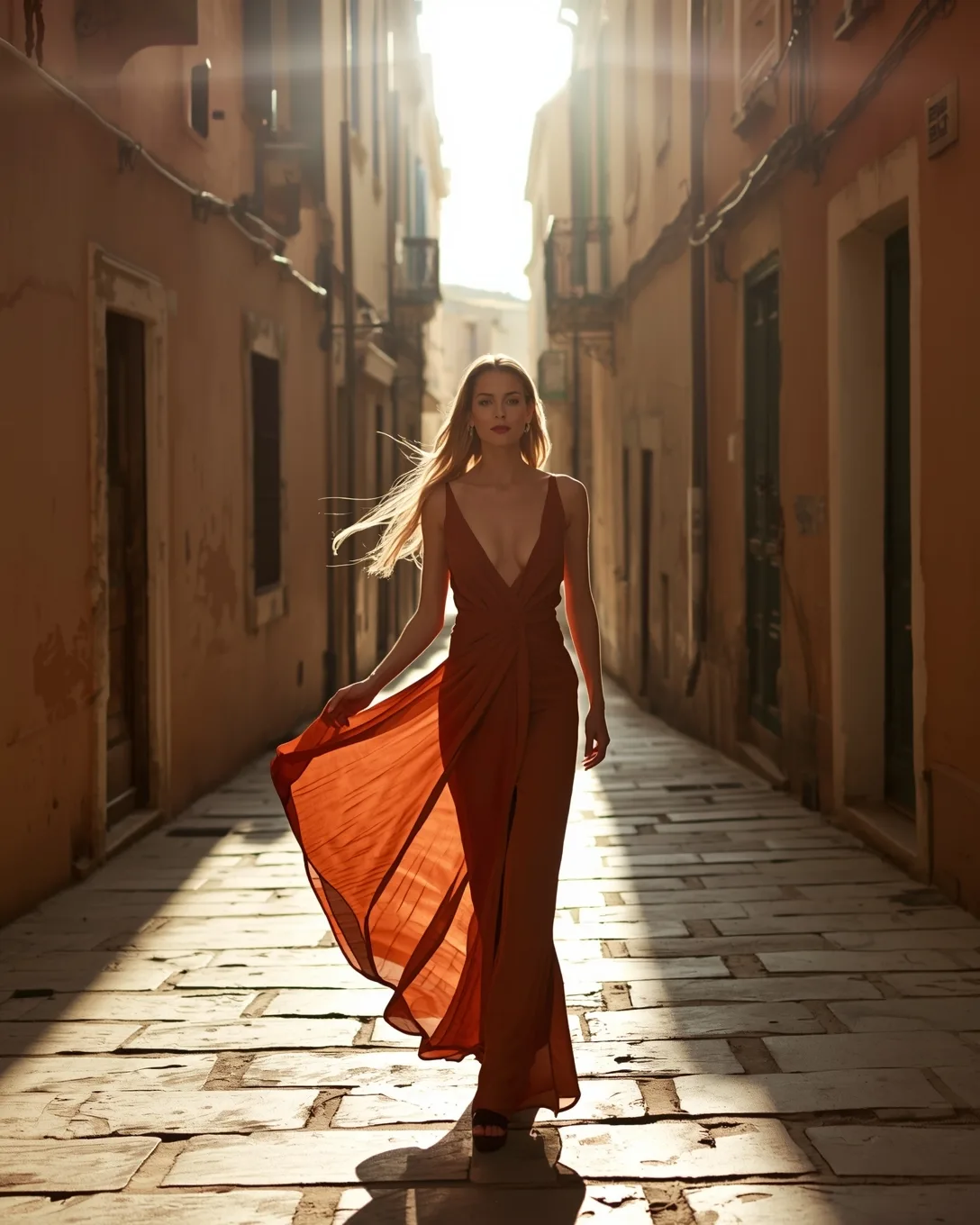
Woman in a terracotta wrap maxi dress walking through a sunlit old-town street
Lookbook — the wrap, moving at walking pace
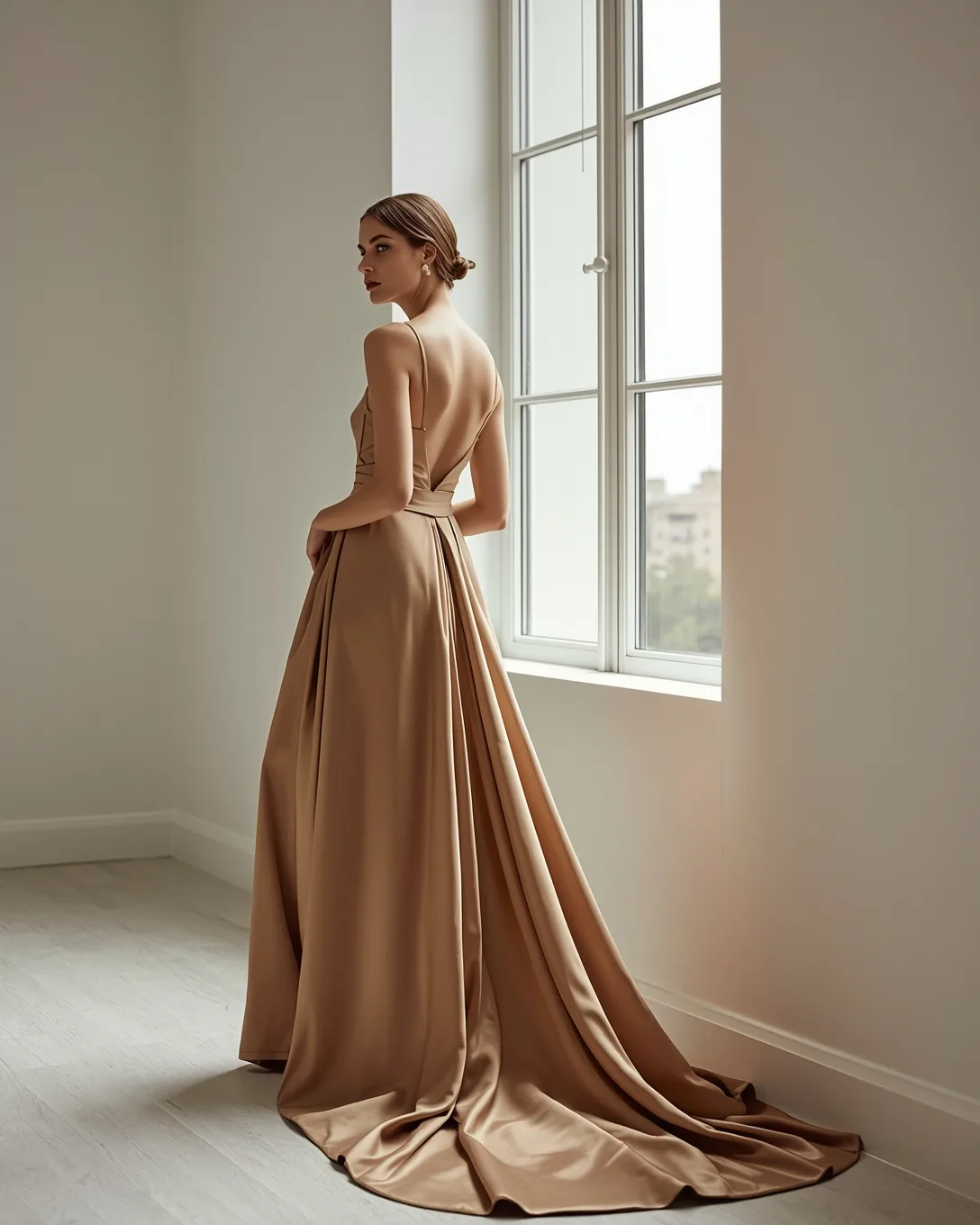
Woman in a bias-cut champagne slip maxi dress by a tall window in evening light
Lookbook — the slip, one uninterrupted line
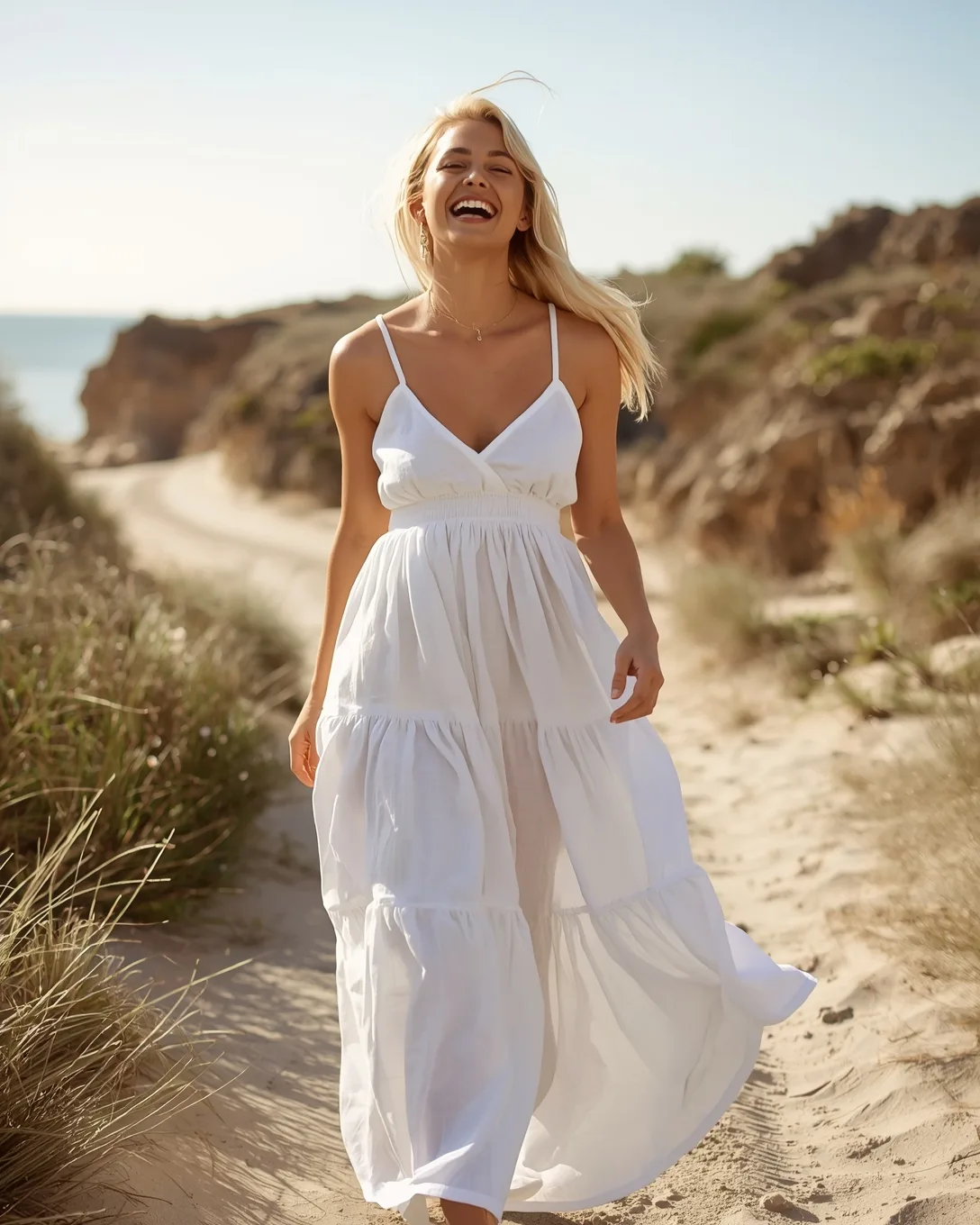
Laughing woman in a tiered white linen maxi dress on a beach path, hem catching the breeze
Lookbook — the tiered, hired-wind energy
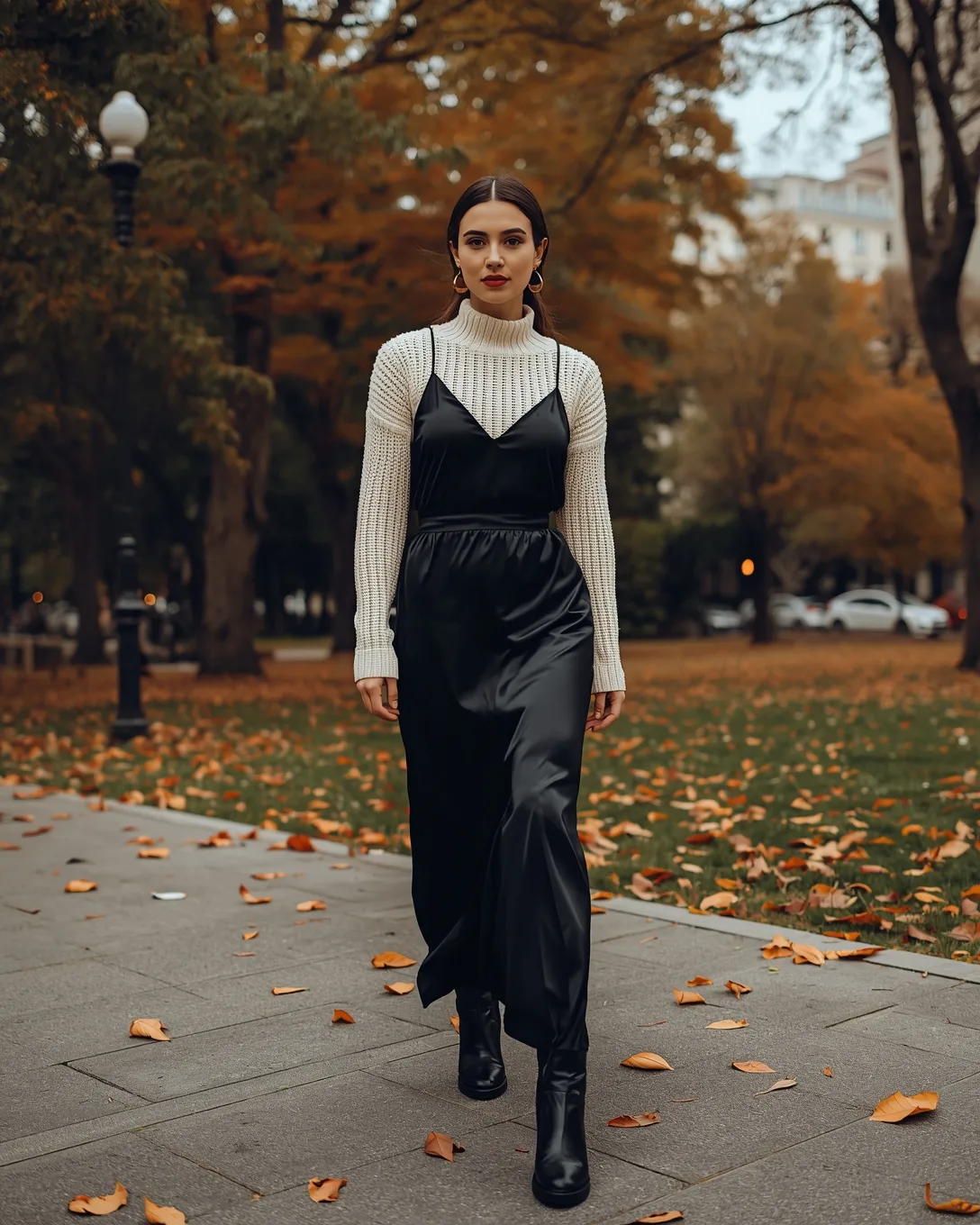
Woman wearing a slip maxi dress layered under a chunky cream sweater with ankle boots in an autumn park
Lookbook — the slip under a chunky knit, autumn
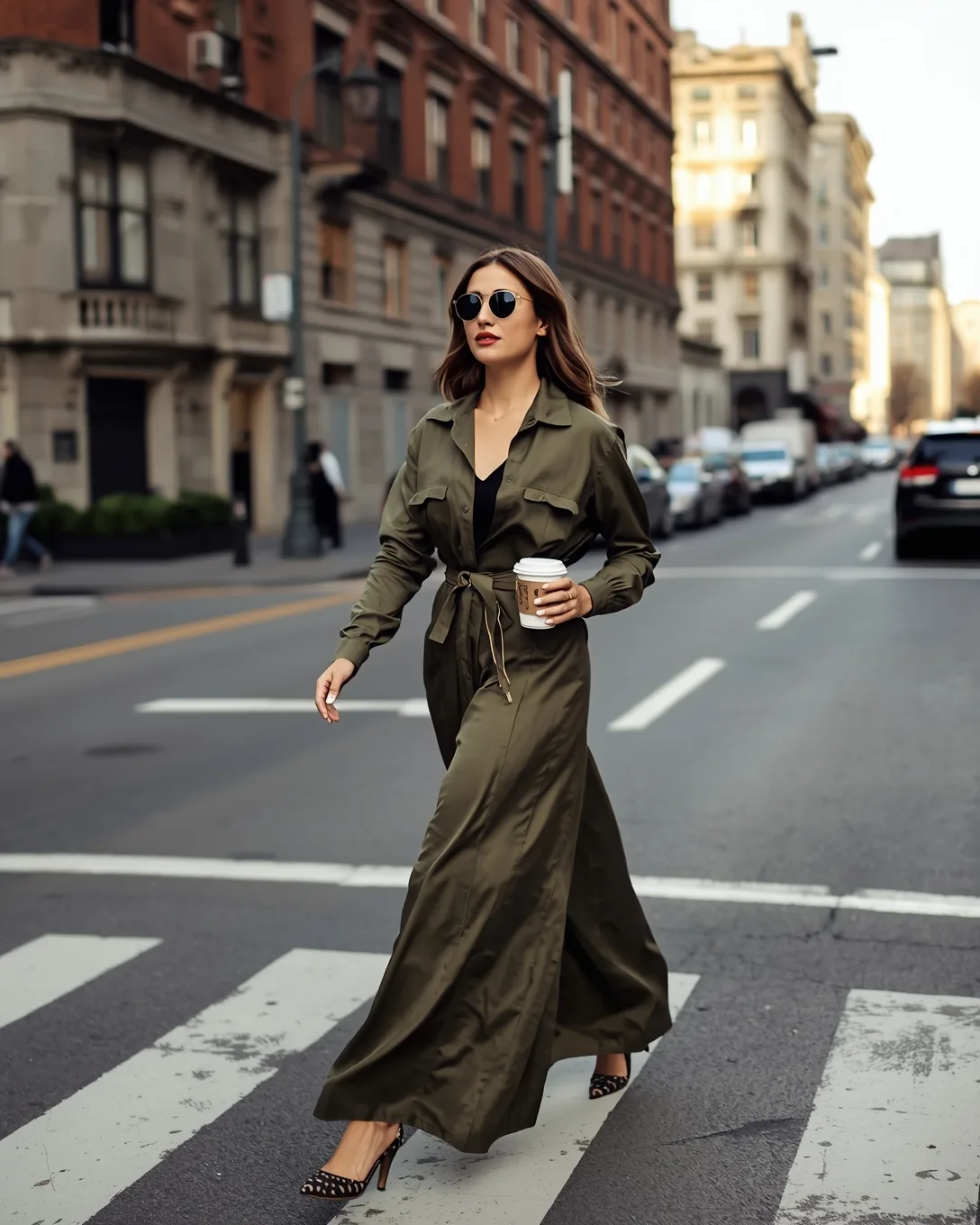
Woman in a crisp olive shirt-dress maxi with a belt crossing a city street with coffee
Lookbook — the shirt-dress at work pace

Four dresses wearing one name

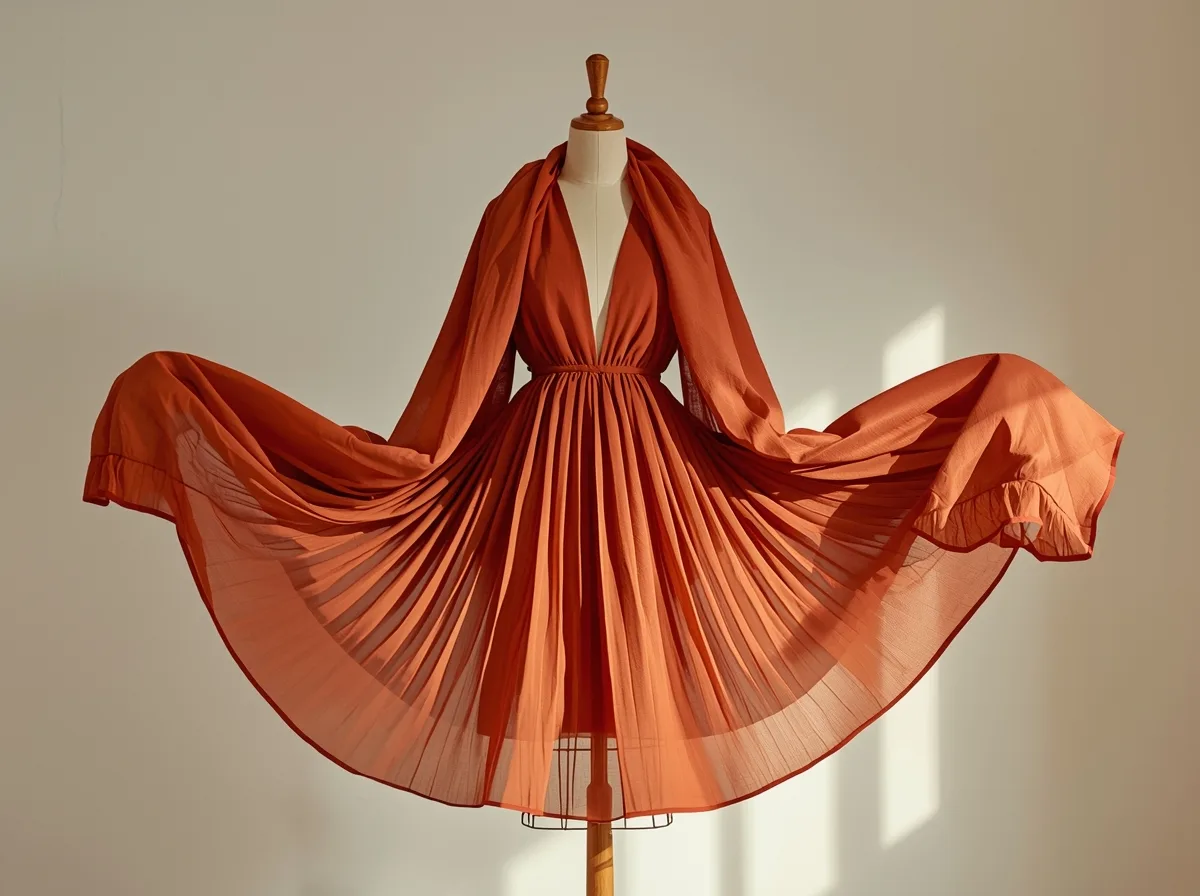
The wrap maxi is the diplomat: a crossed V-neck and a waist tie that lets the dress meet your proportions instead of voting on them. It defines a waist on any figure, adjusts through a day of lunches, and reads equally correct at a garden wedding and a Tuesday office. If a wardrobe holds only one maxi, the wrap is the rational vote.

The slip maxi is the opposite argument — bias-cut, spare, falling from thin straps in one uninterrupted line. It's the most elegant of the four and the least negotiable about undergarments, and it layers under a chunky knit in winter better than anything else here. The tiered maxi trades sleekness for movement: stacked gathered panels that swing at the hem, forgive every lunch, and photograph like wind was hired for the shoot.

The shirt-dress maxi is the utility player — collar, buttons, usually pockets, often a belt. Structured on top, easy below, it's the one that goes over swimwear, into meetings, and onto planes without changing its manners. Four shapes, four temperaments; the length is the only thing they share.

The fitting logic: length, waist, and where the eye rests

Length first, because it's the maxi's defining risk: the hem should hover between the ankle bone and the top of the foot in the shoes you'll actually wear. Floor-dragging is a dry-cleaning subscription; mid-calf is a different dress (that's a midi, and it argues with the widest part of the calf). Petite frames should look for true petite lengths rather than hemming — tiered and wrap dresses redistribute badly when shortened from the bottom.

Waist placement decides whether a maxi elongates or engulfs. Empire seams (under the bust) lift the eye and suit shorter frames and fuller middles; natural-waist definition — the wrap's tie, the shirt-dress's belt — suits nearly everyone; waistless column shapes ask the fabric to do the work, which quality bias-cut does and cheap jersey doesn't.

The eye rests where the dress creates contrast: a V-neck lengthens the neckline, a slit restores the leg line the length concealed, sleeves shift the formality more than the silhouette does. One contrast point, chosen deliberately, is styling; three is noise.

The fitting-room protocol, since maxis punish rushed try-ons: bring the intended shoes or their heel height, sit down in the dress (seams and slits reveal their true opinions seated), climb two stairs if the fitting room offers any, and walk far enough to feel whether the skirt moves with you or wraps around your stride. A maxi that only works standing still is a photograph, not a garment — and thirty seconds of walking tells you more than three minutes in the mirror.

Fabric is the dress: a drape guide

At maxi length, fabric stops being a detail and becomes the architecture — three meters of cloth will either float, flow, or hang like a curtain, and the fiber decides which. Viscose and rayon crepe are the maxi workhorses: fluid, matte, swingy at the hem, kind in heat. Linen brings the honest crumple and the best breathability, ideal for tiered shapes that welcome texture.

Silk and good satin exist for the slip — the bias cut needs a fabric that moves like liquid, and this is where cost genuinely shows. Cotton poplin gives the shirt-dress its crisp authority. The fabric to interrogate is thin polyester jersey: it clings where it should skim, stows static, and turns every maxi shape into the same tired column. If a listing says 'stretchy and lightweight' without a fiber name, that's usually the confession.

The float test in a fitting room takes three seconds: gather a handful of skirt, lift, release. Fabric that settles slowly and lands soft will move beautifully at walking pace. Fabric that drops like a flag in dead air will wear like one.

Close-up of hands releasing a handful of fluid viscose maxi skirt fabric mid-float

Styling across seasons: the maxi is not a summer dress

Summer styling is the maxi's default setting — flat sandals, minimal jewelry, done. The unlock is the other three seasons. Autumn: the slip under a chunky crew-neck knit reads as a skirt and doubles the wardrobe; the shirt-dress opens over a fitted tee as the year's easiest duster. Ankle boots under a tiered hem is a texture argument that always wins.

Winter is a layering exam the maxi passes with tights, knee boots nobody sees, a polo-neck underneath the slip, and a long wool coat that matches the hem's gravity. The trick is matching weights — a floaty viscose maxi under a heavy parka looks like a costume change mid-scene; the same dress under a long unstructured coat looks intentional.

Spring belongs to the wrap and a denim jacket, which is not news, and to the one styling rule that survives all four seasons: the maxi supplies the drama, so everything added to it should be quieter than it is.

Belts deserve their own line, because they're the cheapest silhouette-editor the maxi has: a wide waist belt turns the column into an hourglass, a thin one at the empire line lifts the whole composition, and belting a shirt-dress maxi over its own fabric is the one-second trick that makes it read tailored instead of borrowed. One belt, three different dresses out of the same hanger.

Reading the invitation: maxi formality, decoded

The maxi's length flirts with formality, which is exactly why it needs decoding. Garden and beach weddings: prints, tiers, straps — nearly anything here but white and its aliases (ivory knows what it did). City weddings and evening events want the slip or a solid wrap in deep tones, with the jewelry doing the talking.

For the office, the shirt-dress maxi is the safest yes — collar and buttons read as tailoring even at full length — and the wrap follows in solid colors. The tiered floral reads as vacation in most workplaces, which is either the problem or the point, depending on your Friday.

And for the airport, funerals of formality that they are: the knit column maxi with a denim jacket is the only garment that survives an eleven-hour flight and still looks like a decision at arrivals. Frequent flyers already know; the rest of you are welcome.

Color runs the same decoder: deep solids — ink, bordeaux, forest — carry formality up a register regardless of silhouette, while prints carry it down. A slip in black satin and the identical slip in a botanical print are two invitations apart. When the dress code is genuinely ambiguous, the solid wrap in a dark tone is the diplomatic passport: no event on the calendar refuses it, and a change of shoes and earrings moves it two registers in either direction from the hotel room.

Keeping three meters of dress alive

The maxi's care problem is mostly a physics problem: more fabric means more weight when wet, more surface to snag, and a hem that personally inspects every floor it crosses. The washing answer is gentler than habit suggests — cold, gentle cycle, mesh bag for anything with ties or thin straps, and always hung to dry by the shoulders, where the wet hem's own weight pulls the wrinkles out as it dries. A maxi that goes in the dryer comes out a midi with trust issues.

Storage is where maxis quietly die. Thin wire hangers bite shoulder dents into viscose and stretch the neckline of knits; wide hangers or fold-over-the-bar storage preserve the drape the dress was bought for. Slips and anything bias-cut prefer to be folded entirely — bias fabric hung for a season grows longer on one side, a phenomenon that feels like a haunting and is just gravity.

Hem maintenance is the ownership fee: check it monthly for the abrasion fuzz of pavement contact, re-hem a centimeter the moment threads show rather than after the first proper tear, and accept that the hem of a loved maxi is a wear item, like shoe soles. Handled that way, a good viscose or linen maxi runs five to eight summers; the slip, spared sidewalks and dryers, can outlast the decade.

The Meridian Wrap — Viscose Crepe

$128

Our definitive wrap maxi in fluid matte viscose crepe: true crossed bodice (no faux-wrap snaps), adjustable tie waist, deep hem that floats at walking pace. In terracotta, deep olive, and ink. Petite through tall lengths, graded properly rather than hemmed.

  • True wrap bodice with adjustable tie — meets your proportions
  • Fluid viscose crepe, matte, heat-kind, machine washable
  • Petite / regular / tall — graded lengths, not chopped hems
  • Side seam pockets, because obviously
Enquire about the Meridian

The Solstice Slip — Bias-Cut Satin

$156

The evening argument: bias-cut heavy satin that moves like liquid, adjustable straps, a neckline that behaves. Cut to layer under knits from October onward — one dress, two wardrobes. In champagne, bordeaux, and black.

  • True bias cut in heavyweight satin — the drape is the product
  • Adjustable straps, secure neckline, no fashion tape required
  • Layers under knits as a winter skirt-equivalent
  • Ankle-grazing length in three graded heights
Enquire about the Solstice

Asked, answered

I'm petite — can I actually wear a maxi?

Yes, with two rules: buy a true petite length rather than hemming (tiers and wraps redistribute badly when shortened), and keep one vertical line going — a V-neck, front slit, or empire seam. The maxi doesn't shorten petite frames; puddling hems and horizontal clutter do.

Which silhouette suits a fuller bust or middle?

The wrap, almost always — the crossed V flatters the bust and the tie defines the waist wherever you place it. Empire-seamed tiered shapes come second. The unforgiving one is the thin-jersey column; the generous one is anything with structure and adjustability.

What shoes go with a maxi dress?

Flat sandals or sneakers for day, a low block heel when the hem was fitted for one, boots under (not over) the hem in cold months. The only real rule is hem-to-shoe clearance: buy the dress for the shoes you'll wear, not the shoes you own once.

How do I wash three meters of dress?

Our viscose and linen pieces machine wash cold on gentle in a mesh bag and air-dry hung by the shoulders — the weight of the wet hem actually steams out most wrinkles. Satin slips prefer hand washing and a flat dry. Nothing we sell requires a dry cleaner on retainer.

Can I wear a maxi dress to a wedding?

It's arguably the best wedding-guest garment there is. Daytime and outdoor: prints and tiers. Evening and city: the slip or a solid deep-tone wrap. The only forbidden zone is white, ivory, and cream — the maxi's drama makes the offense worse.

Do your sizes run true?

We grade to our published measurement chart rather than vanity sizing, and every product page lists garment measurements flat, not just size letters. Between sizes on the wrap, size down (the tie adjusts); on the slip, size up (bias forgives nothing).

The atelier list

New silhouettes, restocks in graded lengths, and the seasonal styling letter — monthly at most, written like we mean it, unsubscribable without hurt feelings.